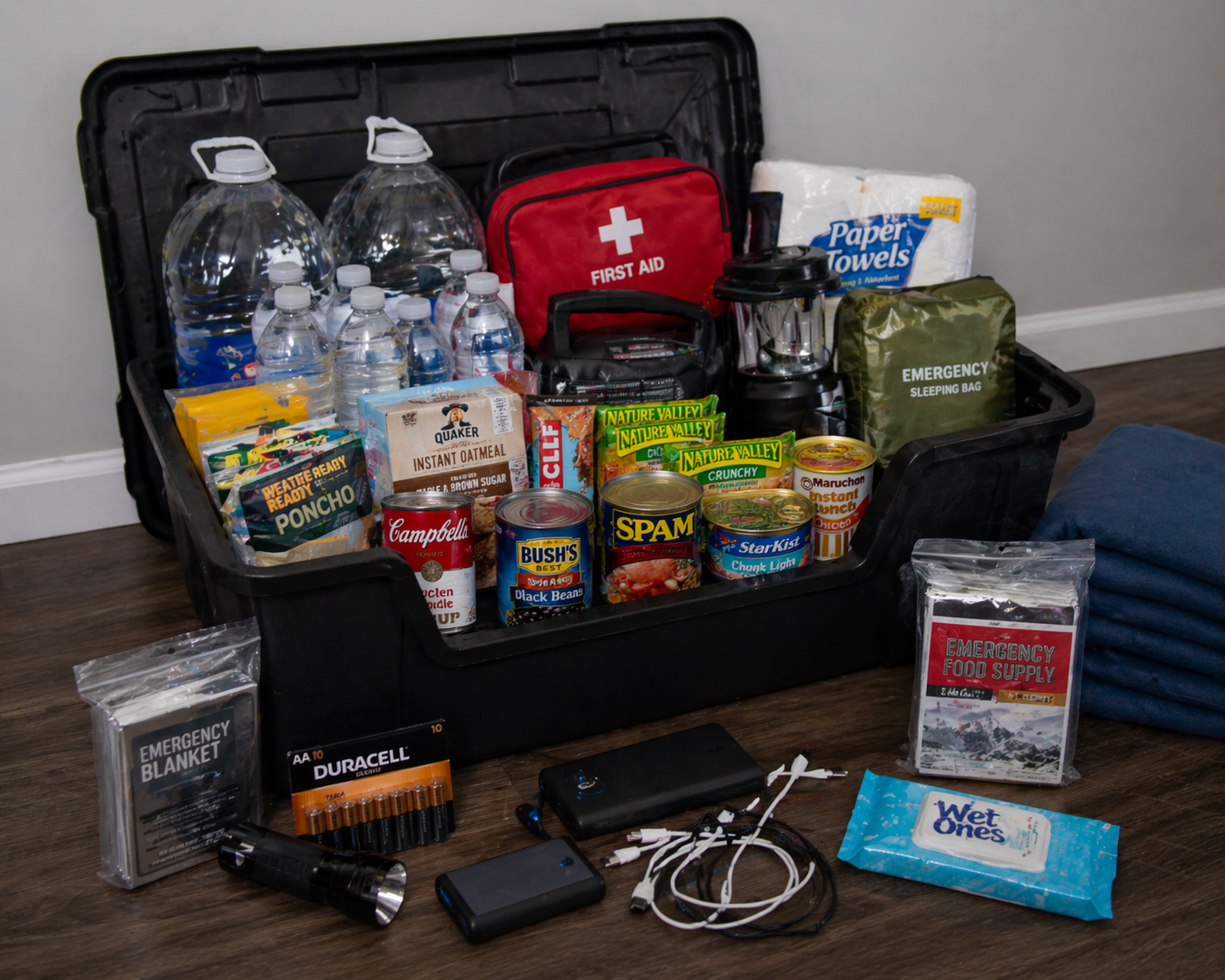
What to stockpile at home for sheltering in place — water storage, food supply, power, medical, and communications gear that keeps your household running when the grid goes down.
Your home kit is built for staying put — surviving power outages, supply disruptions, or extended emergencies without leaving. The goal is 2-4 weeks of self-sufficiency at minimum.
Water Storage
Plan for 1 gallon per person per day minimum. Store enough for drinking, cooking, and basic hygiene.

WaterBOB Bathtub Bladder (100 gal)
Fills from the tap before an emergency. 100-gallon capacity.

Scepter 5-Gallon Water Container
Stackable, food-grade, BPA-free.

Sawyer Squeeze Filter
Filter collected or stored water as a backup.
Food Storage

Augason Farms 30-Day Emergency Food Supply
Complete, organized, long shelf life.
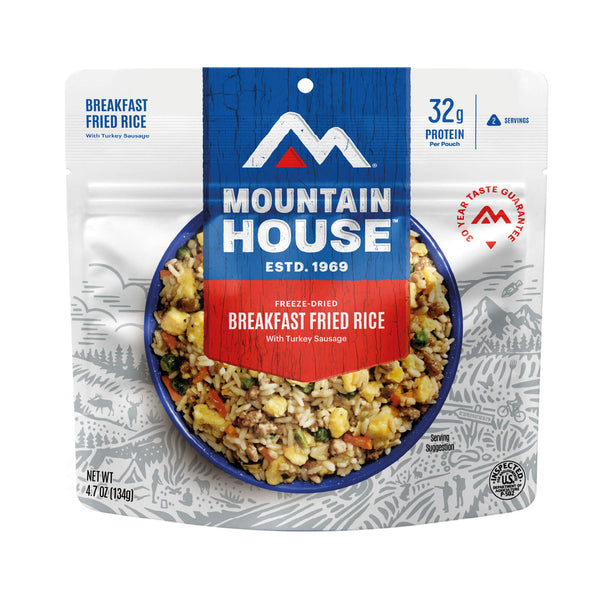
Mountain House 14-Day Bucket
Freeze-dried, just add water, 30-year shelf life.

OXO Good Grips Manual Can Opener
Keep two — they break when you need them most.
Power & Communications
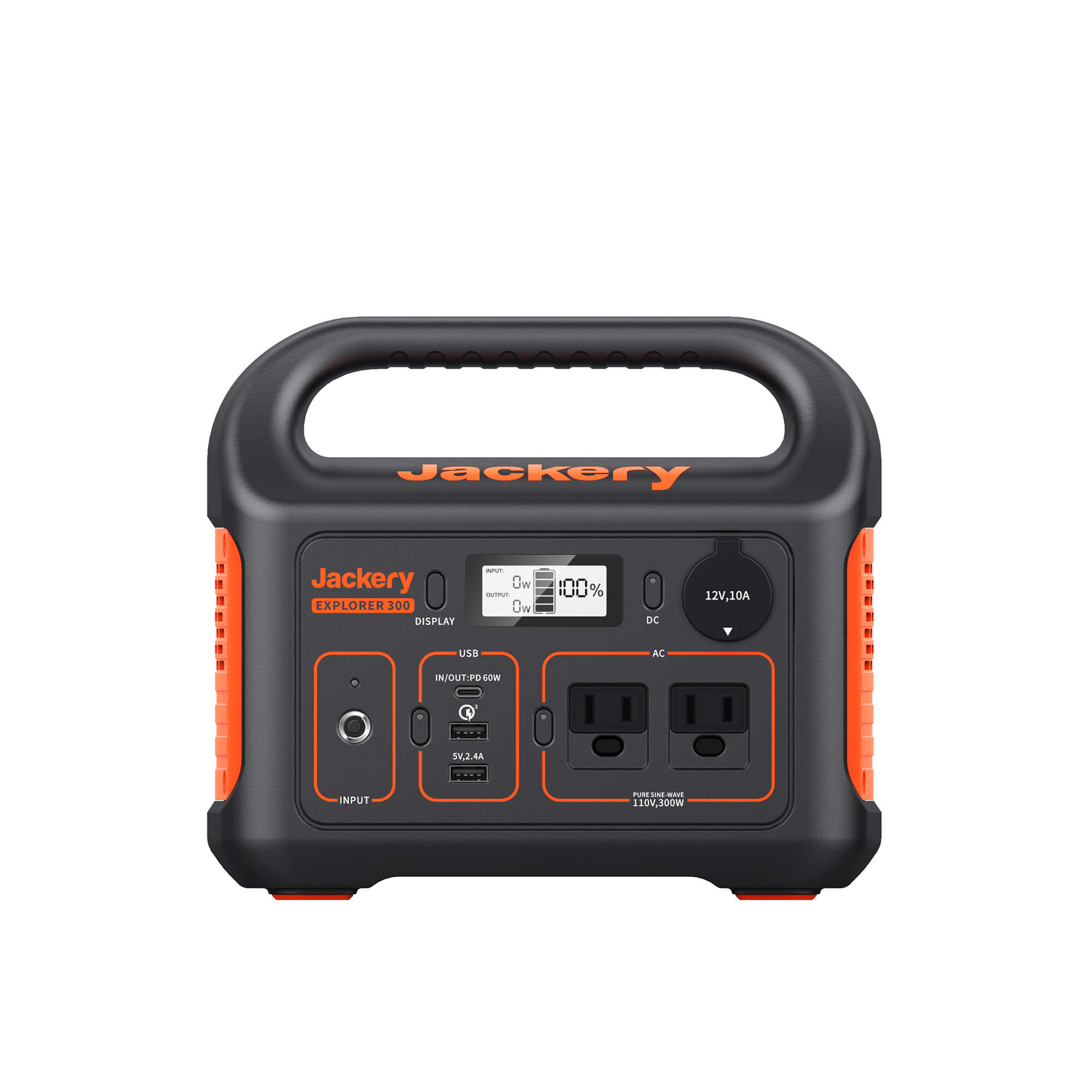
Jackery Explorer 300 Power Station
Recharge phones, run small devices.

Midland ER310 Emergency Radio
NOAA weather, AM/FM, hand crank + solar, USB charging.

Anker PowerCore 26800 Battery Bank
Smaller backup charger for phones.
Medical Supplies

Adventure Medical Kits Mountain Series
Comprehensive, well-organized, field-tested.

CAT Tourniquet
Stop life-threatening limb bleeding.

QuikClot Gauze (2-pack)
Hemostatic dressing for serious wounds.
Documents & Cash

Waterproof Document Bag
Store physical copies of IDs, insurance, deeds, passports.
Shelter in Place

6-Mil Heavy Plastic Sheeting (Roll)
Seal windows and doors against smoke or chemical hazards.

Mr. Heater Buddy Indoor Propane Heater
Heat a room without electricity.
You don't need to buy everything at once. Start with water storage, a manual can opener, and a basic first aid kit — and build from there month by month.
Track your home kit progress in +MAP.
+MAP's Basic Preparedness checklist breaks your home kit into specific tasks so you always know exactly what to buy next.
Join now for freeThe guides are free. The platform makes them stick.
Most groups download a checklist and nothing changes. MAP gives your group the infrastructure to actually act on it — skill tracking, task assignment, event coordination, and a shared knowledge base your members can find offline.
- No more tracking member skills in a spreadsheet
- No more losing resources in group chats
- No more showing up to a crisis figuring it out for the first time
No spam. No pressure. Early access when we launch.